
How hydrogen forms.
Geological processes. Water–rock interaction. Time.
Natural hydrogen is molecular hydrogen generated through processes within the Earth. Its presence introduces a resource model centred on subsurface generation, migration and recovery.
Two mechanisms are central to NorthLight’s exploration thesis: serpentinization and radiolysis. They operate under different geological conditions and help explain why the composition, structure and history of the rock matter.
Serpentinization
Ultramafic rocks, rich in iron and magnesium, react with water to produce hydrogen through serpentinization.
Molecular hydrogen H₂
Hydrogen generated through water–rock reactions.
When water reacts with suitable iron-bearing minerals, including those found in ultramafic rocks, iron can become oxidized as water is reduced, producing molecular hydrogen. These reactions are associated with the alteration of the original rock and the formation of serpentine minerals.
Hydrogen generation depends on the minerals present, their reactivity, temperature and the ability of water to reach fresh mineral surfaces. Mapping favourable rock types provides a starting point for evaluating where those conditions may occur.
Radiolysis
Natural radiation breaks down water molecules in rocks and groundwater, releasing hydrogen.
Molecular hydrogen H₂
Hydrogen generated by the breakdown of water.
Rock contains naturally occurring radioactive elements, including uranium, thorium and potassium. As these elements decay, the radiation they release can break down water in fractures and pore spaces, producing hydrogen.
The contribution depends on the concentration of those elements, water availability and geological time. Ancient crystalline rocks are relevant because of the long periods over which these processes can operate.

Why the Canadian Shield matters.
The Canadian Shield contains extensive ancient crystalline terrain, including mafic and ultramafic rock, together with fracture systems through which groundwater can circulate. These characteristics provide a geological basis for investigating both mechanisms.
The quality of an individual target depends on how those ingredients interact at that location. NorthLight’s exploration approach examines the complete geological setting, including the conditions required for hydrogen to migrate and persist.
From generation
to a recoverable resource.
A geological setting capable of generating hydrogen is the beginning of an exploration case. Its commercial significance depends on the behaviour of the wider system.
- 01

Source and generation
Are suitable minerals, water and geological conditions present? Which mechanisms could contribute hydrogen, and what evidence supports that interpretation?
- 02

Migration and retention
Can hydrogen move through connected fractures or permeable rock? Are there reservoir and sealing conditions that allow it to accumulate or persist within the system?
- 03
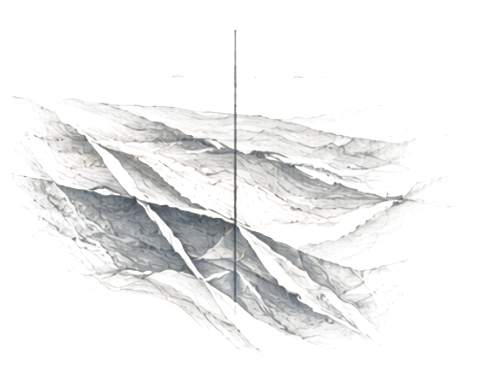
Concentration and flow
What does sampling establish about the gas mixture and its behaviour over time? Testing must distinguish a detected occurrence from a source capable of supporting sustained recovery.
- 04
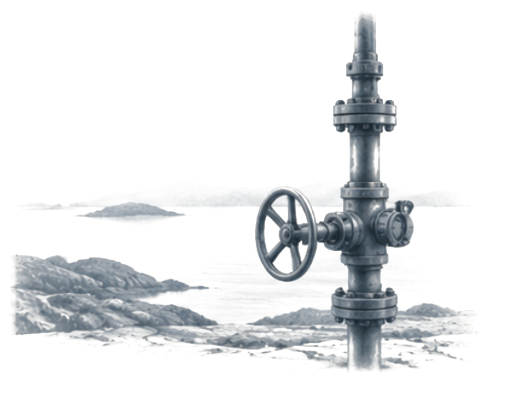
Recovery and use
What would be required to recover, treat and deliver the hydrogen? The resource must be evaluated alongside infrastructure requirements and the energy needs of potential customers.

Understanding natural hydrogen.

Does ongoing generation imply a continuously replenished supply?
The rate of geological generation, the quantity retained underground and the rate of production are separate questions. A dependable supply would require evidence of sustained deliverability under the conditions of a particular project.
Does hydrogen in a borehole establish a commercial resource?
A measurement provides evidence to investigate. Commercial assessment also requires an understanding of concentration, flow, geological extent, gas treatment and recovery costs. Repeated measurements help establish how a system behaves over time.
What would make a discovery relevant to northern energy supply?
A suitable resource would need to support reliable delivery at a scale and cost appropriate to its customers. Distance, conditioning, storage and conversion into useful energy all form part of that assessment.
What do natural, geological and white hydrogen mean?
These terms commonly refer to hydrogen generated by natural processes within the Earth. Exploration investigates where it forms, how it moves and whether it accumulates in recoverable quantities.
Why is favourable geology only a starting point?
Hydrogen generation alone does not establish a recoverable resource. Some hydrogen escapes or is consumed underground. Exploration must investigate the source, pathways and conditions that could allow a useful accumulation to persist.
How can existing mine records help an assessment?
Borehole logs, geological mapping, core and operating records can help identify promising settings and gaps in the evidence. NorthLight combines that information with specialist interpretation and field verification; access and operating arrangements are assessed for each site.
What stage has NorthLight reached?
NorthLight is at the exploration and target-validation stage. It has not established a proven natural hydrogen resource or reserve. Further technical work, approvals, financing and agreements would be needed before development.